
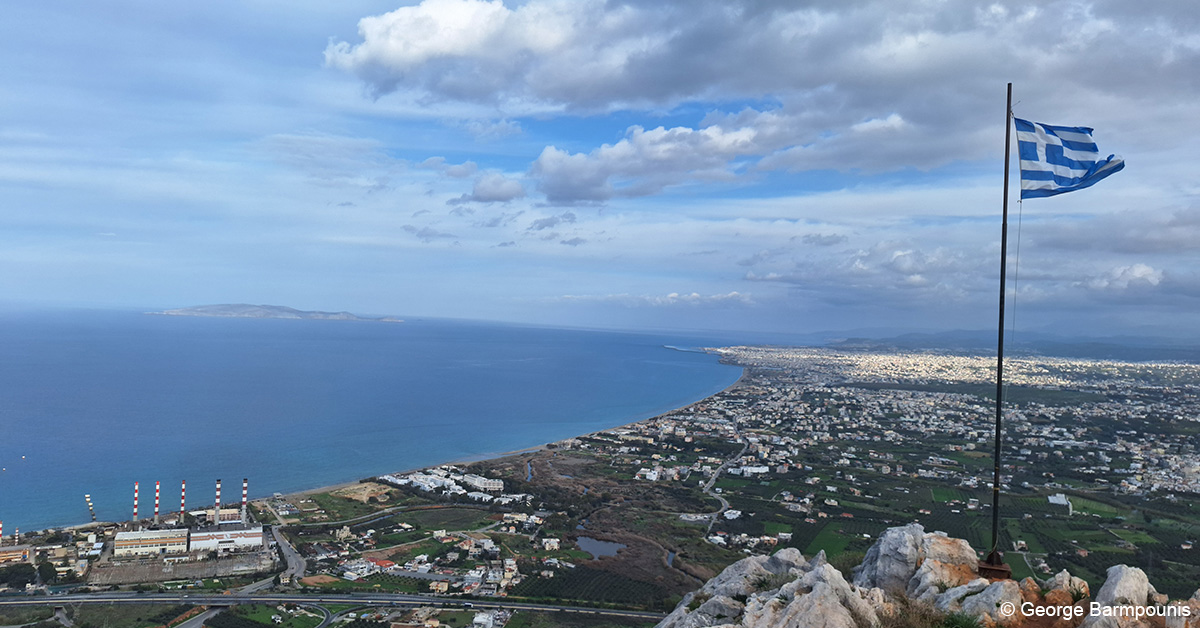
The RETES project begins its journey through the five pilot areas in Malevizi, on the island of Crete, where partners are analysing the relationship between tourism stakeholders and civil protection actors.
As part of the RETES project, partners are carrying out local mapping activities in five European pilot areas. This work aims to better understand how tourism stakeholders, vocational education and training providers, local authorities, civil protection actors and community-based organisations cooperate in the prevention and management of risks that may affect tourism destinations.
The first RETES pilot area is Malevizi Municipality, located on the island of Crete, Greece. In this territory, project partners CCI and OLOKLIROSI are leading the local mapping process, focusing on the existing connections between tourism activities, training needs and disaster risk management structures.
Malevizi is located just west of Heraklion and represents a highly relevant case study for the project. The municipality combines well-established coastal tourism destinations, such as Amoudara and Agia Pelagia, with a diverse inland area made up of traditional villages, agricultural landscapes and natural sites. Among these are the Almyros wetland and the Keri forest, which add important environmental value to the territory and contribute to its potential for alternative forms of tourism.
Tourism activity in Malevizi is mainly concentrated along the northern coastline, where accommodation facilities, beach tourism and seasonal visitor flows play a central role in the local economy. At the same time, the inland areas offer opportunities for rural tourism, cultural tourism, nature-based experiences and agrotourism. This combination of coastal and inland tourism makes Malevizi an interesting pilot area for analysing how different tourism models interact with local preparedness and risk management systems.
Like many Mediterranean destinations, Malevizi may be exposed to different types of natural hazards. These include wildfires, flooding, landslides, heatwaves and seismic activity. Such risks can affect not only residents and local ecosystems, but also visitors, tourism infrastructure, mobility routes and the continuity of tourism services, especially during periods of high seasonality and increased pressure on local resources.
Within this context, RETES is working to identify and map the key actors involved in tourism and risk management in the area. This includes tourism clusters, local associations, vocational training providers, volunteer civil protection groups and other relevant stakeholders. The objective is to understand how these actors communicate, cooperate and respond when facing situations that may affect visitors, businesses and local communities.
The information collected through this mapping process will contribute to the broader RETES objective of strengthening resilience in tourism destinations. By analysing local needs and cooperation mechanisms, the project will help define future training resources, tools and activities aimed at improving preparedness, emergency management skills and structured collaboration between tourism and civil protection sectors.
The work carried out in Malevizi will also provide valuable insights for the other RETES pilot areas, supporting the exchange of experiences and good practices at European level.
Stay tuned to discover the next RETES pilot area.