
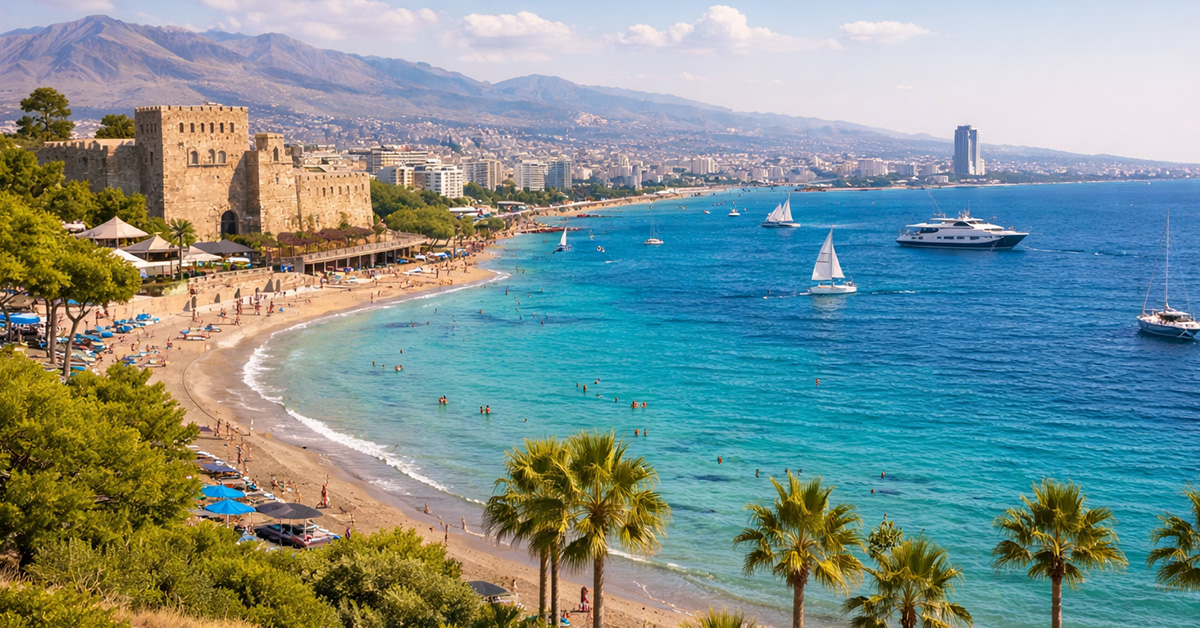
The RETES project concludes its journey through the five pilot areas with Limassol District, in Cyprus, where partners are analysing how cooperation between tourism stakeholders, training providers and local authorities can support more climate-resilient tourism development.
As part of the RETES project, partners are carrying out local mapping activities in five European pilot areas. This work aims to better understand how tourism stakeholders, vocational education and training providers, local authorities, civil protection actors and other relevant organisations cooperate to prevent and manage risks that may affect tourism destinations.
The final stop in this journey is Limassol District, in Cyprus. In this pilot area, the mapping activities are being carried out by project partner EUC – European University Cyprus, with a focus on the relationship between tourism management, training needs and climate resilience.
Limassol is one of Cyprus’ most dynamic and diverse tourism destinations. Located on the southern coast of the island, the district combines Mediterranean coastal tourism with cultural heritage, wine tourism, rural landscapes and natural areas. This variety makes Limassol a highly relevant pilot area for analysing how different tourism activities interact with local preparedness and risk management systems.
Tourism in Limassol benefits from a broad and well-established offer. The coastline attracts visitors interested in sun and sea tourism, while historic sites, cultural routes and traditional villages contribute to a rich cultural tourism experience. The district is also known for its wine-producing villages, which play an important role in the local tourism economy and support inland tourism development beyond the coastal areas.
This combination of coastal, cultural, rural and wine tourism creates opportunities for year-round visitor activity. At the same time, it also requires coordinated planning to protect visitors, local communities, businesses and infrastructure from risks that may affect the continuity and safety of tourism services.
Like many Mediterranean destinations, Limassol is increasingly exposed to the impacts of climate change. The area may be affected by heatwaves, drought and wildfire risks, which represent growing challenges for local communities, tourism businesses, natural landscapes and destination management. These risks can influence visitor safety, water availability, outdoor activities, mobility, emergency response and the overall resilience of the tourism sector.
Within this context, RETES is mapping tourism businesses, training providers, local authorities and other relevant stakeholders involved in tourism management. The objective is to better understand how these actors cooperate, what links already exist between tourism and risk management, and how training and capacity-building can support a more resilient tourism ecosystem.
The work carried out in Limassol is particularly important because it connects tourism development with climate adaptation. By identifying local needs and cooperation opportunities, RETES will contribute to the development of training materials and cooperation models that can help tourism professionals and local actors prepare for and respond to climate-related hazards.
The Limassol pilot area also adds an important Mediterranean island perspective to RETES. Together with the other pilot areas, it helps the project compare different territorial realities, from coastal and cruise destinations to rural inland regions, mountain areas and island tourism contexts.
With this final pilot area, RETES completes its presentation of the five territories involved in the project. The knowledge gathered through the mapping activities will now contribute to the next stages of the project, including the development of training resources, stakeholder cooperation models and tools aimed at strengthening resilience in European tourism destinations.
Stay tuned to follow the next steps of the RETES project and discover how these insights will support more prepared, connected and resilient tourism ecosystems.