
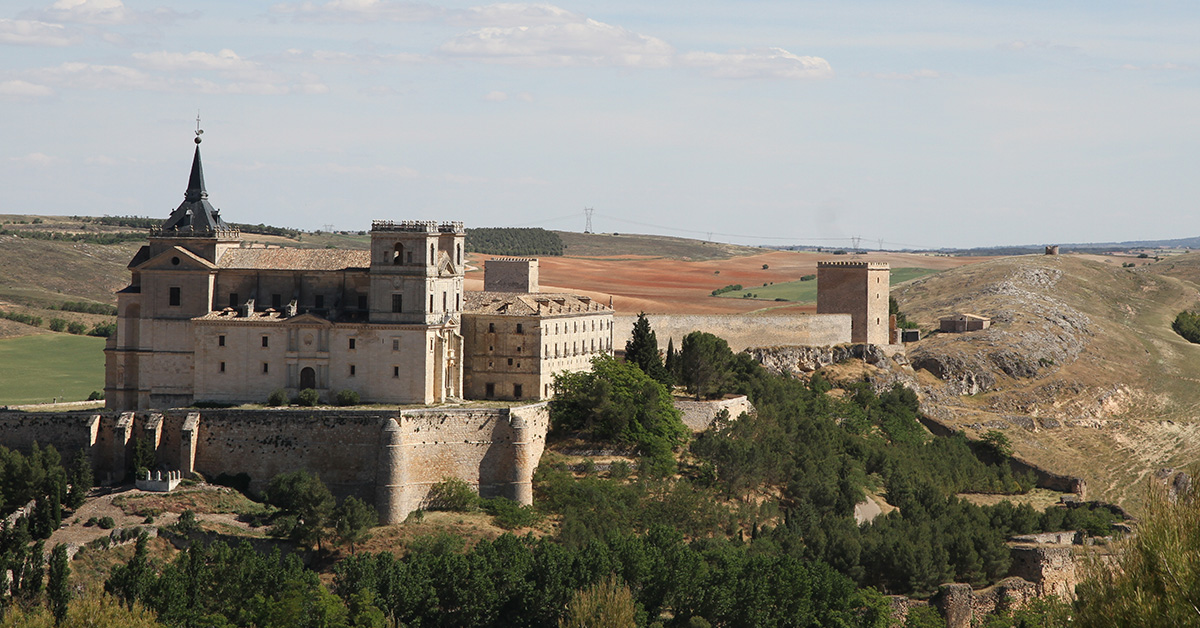
The RETES project continues its journey through the five pilot areas with Castilla-La Mancha, in Spain, where partners are analysing how rural tourism destinations can strengthen their resilience to climate-related hazards.
As part of the RETES project, partners are carrying out local mapping activities in five European pilot areas. The objective of this work is to better understand how tourism stakeholders, public authorities, vocational education and training providers, civil protection actors and other relevant organisations cooperate to prevent and manage risks that may affect tourism destinations.
This week, the focus is on Castilla-La Mancha, in central Spain. In this pilot area, the mapping activities are being carried out with the involvement of project partner SocialInnolabs, with particular attention to rural tourism, regional governance and the challenges posed by climate-related risks.
Castilla-La Mancha is a region with a strong territorial identity, known for its rich cultural heritage, extensive rural landscapes, historic towns, natural areas and gastronomy. Its tourism offer is closely linked to the character of the territory, where smaller destinations, inland routes, cultural heritage sites and nature-based experiences play an important role in attracting visitors.
Unlike highly urbanised or coastal destinations, tourism in Castilla-La Mancha is often distributed across rural municipalities, natural parks, heritage towns and areas of environmental value. This creates a tourism model based on proximity to local communities, landscapes and cultural traditions. Visitors are attracted by history, gastronomy, outdoor activities, rural accommodation, protected natural areas and the authenticity of inland destinations.
At the same time, this rural and nature-based tourism model is increasingly exposed to environmental and climate-related challenges. The region may be affected by wildfires, heatwaves, drought and extreme weather events, which can have a direct impact on local communities, ecosystems, tourism businesses, mobility routes and visitor safety. These risks are particularly relevant in rural areas, where emergency response, communication channels and coordination between stakeholders may depend on the availability of local resources and clearly defined cooperation mechanisms.
Within this context, RETES is mapping local stakeholders involved in tourism, regional governance, risk management and civil protection. The aim is to understand how these actors currently interact, what types of cooperation already exist and which needs should be addressed in order to improve preparedness and resilience in rural tourism destinations.
The Castilla-La Mancha pilot area is especially relevant for RETES because it provides an opportunity to analyse the specific situation of inland and rural tourism territories. These destinations often face different challenges from coastal or highly concentrated tourism areas, including territorial dispersion, seasonal peaks, dependence on natural resources and the need to protect both visitors and local communities in the event of climate-related hazards.
Through the mapping activities, RETES will contribute to identifying the skills, training needs and cooperation opportunities that can help tourism professionals and local actors respond more effectively to risk situations. This information will support the development of future project resources, including training materials and tools designed to strengthen preparedness, emergency management and collaboration between tourism and civil protection sectors.
The experience of Castilla-La Mancha will also enrich the European dimension of RETES by bringing the perspective of rural and inland tourism destinations into the project. Together with the other pilot areas, it will help build a broader understanding of how different territories can work towards more resilient, better prepared and more sustainable tourism ecosystems.
Follow RETES as we continue to explore the project pilot areas and the local ecosystems working towards more resilient tourism destinations.