
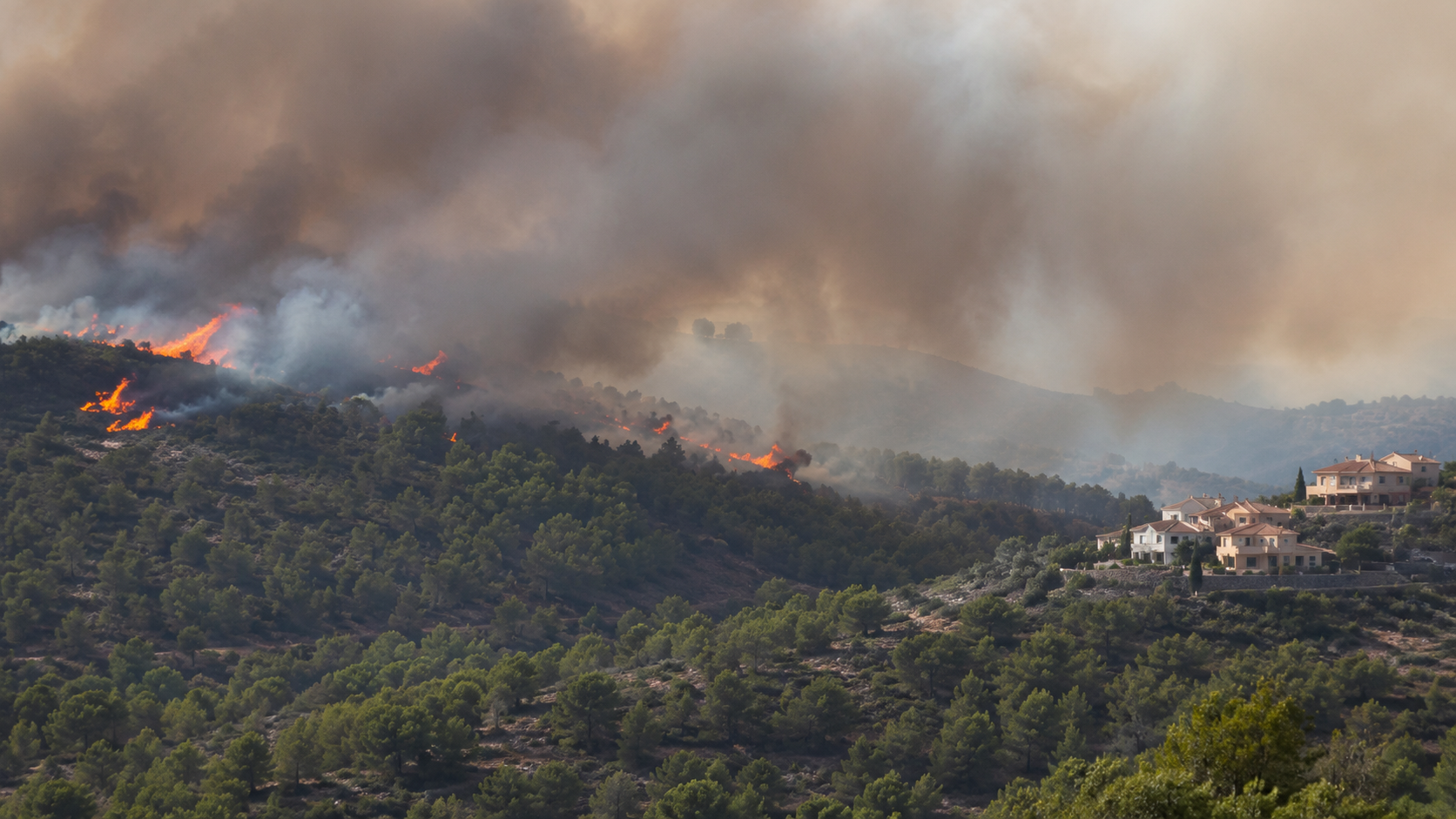
The recent fires affecting Madrid, Ávila and Toledo have once again shown how extreme events can disrupt communities, natural areas, infrastructure and tourism. Their scale reinforces the importance of prevention, preparedness, training and cooperation — key areas addressed by the RETES project.
In late July, a series of major wildfires spread across Madrid, Ávila and Toledo, creating one of the most serious forest fire emergencies ever recorded in Spain. The fire originating in Burgohondo, in the province of Ávila, burned around 50,000 hectares and became the largest individual wildfire in Spain since records began. Together with the fires affecting Madrid and Toledo, the emergency reached an even greater scale, affecting a vast area and forcing tens of thousands of people to evacuate or remain confined.
The Sierra Oeste of Madrid was among the areas most severely affected. The fires threatened municipalities, residential areas, forests and recreational spaces around locations such as the San Juan reservoir, a popular destination for outdoor and leisure activities. The event demonstrated how rapidly a natural hazard can become a complex territorial emergency, affecting not only ecosystems and local populations but also mobility, services and economic activities connected to tourism and recreation.
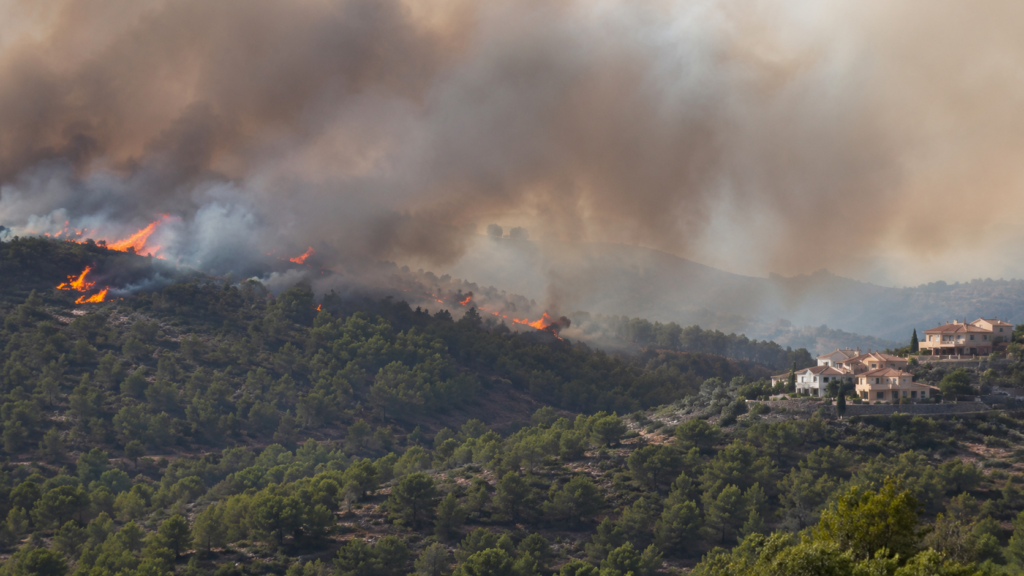
When an environmental emergency becomes a tourism challenge
Wildfires are not only an environmental or civil protection issue. In areas with significant tourism activity, they can immediately affect visitors, accommodation providers, outdoor activities, transport networks and access to natural and cultural attractions.
During a large-scale emergency, visitors may be particularly vulnerable. They may not know the territory, local evacuation routes or emergency procedures, and international tourists may also face language barriers. Tourism businesses therefore become an important part of the local response system: hotels, campsites, restaurants, tour operators and visitor services may all need to communicate warnings, assist with evacuations or adapt their activities at very short notice.
The consequences can continue even after the immediate emergency has passed. Damage to landscapes and infrastructure, closures of recreational areas and changes in visitors’ perceptions of safety can affect destinations long after the flames have been extinguished.
The fires in Madrid and Ávila also had direct consequences for tourism and recreational infrastructure, including areas around the San Juan reservoir.
Prevention and coordination before the emergency
Events of this magnitude underline a central idea behind RETES – Resilience Enhancement in Tourism through Education and Skills: effective emergency management cannot begin only once a crisis is already underway.
Tourism operators, civil protection authorities, local governments, training organisations and other stakeholders need established channels of communication and a clear understanding of their respective roles before an emergency occurs.
This includes issues such as:
- risk awareness among tourism professionals;
- updated emergency and evacuation procedures;
- clear communication with visitors;
- coordination between tourism operators and civil protection services;
- practical exercises and simulations;
- training adapted to the characteristics of each destination and its specific risks.
These are precisely some of the issues being explored through the RETES pilot areas and the local mapping and stakeholder activities currently being carried out across the participating countries.
Climate-related risks and resilient destinations
The events in central Spain also take place in a broader context in which extreme heat, prolonged dry periods and adverse weather conditions can increase wildfire risk and make suppression operations more difficult. During the July emergency, authorities repeatedly warned that high temperatures, low humidity and wind conditions could complicate containment efforts.
For tourism destinations, adapting to these changing conditions increasingly means integrating risk management into everyday planning rather than treating it as an isolated emergency issue.
Through RETES, partners are working to improve knowledge and skills related to Disaster Risk Management in tourism, strengthen cooperation among relevant local actors and develop training resources that can help tourism professionals better anticipate, prepare for and respond to emergencies.
The objective is not only to improve response when disasters occur, but also to contribute to tourism destinations that are better informed, better coordinated and more resilient before the next emergency happens.
The recent fires in Spain provide a powerful reminder of why this work matters.